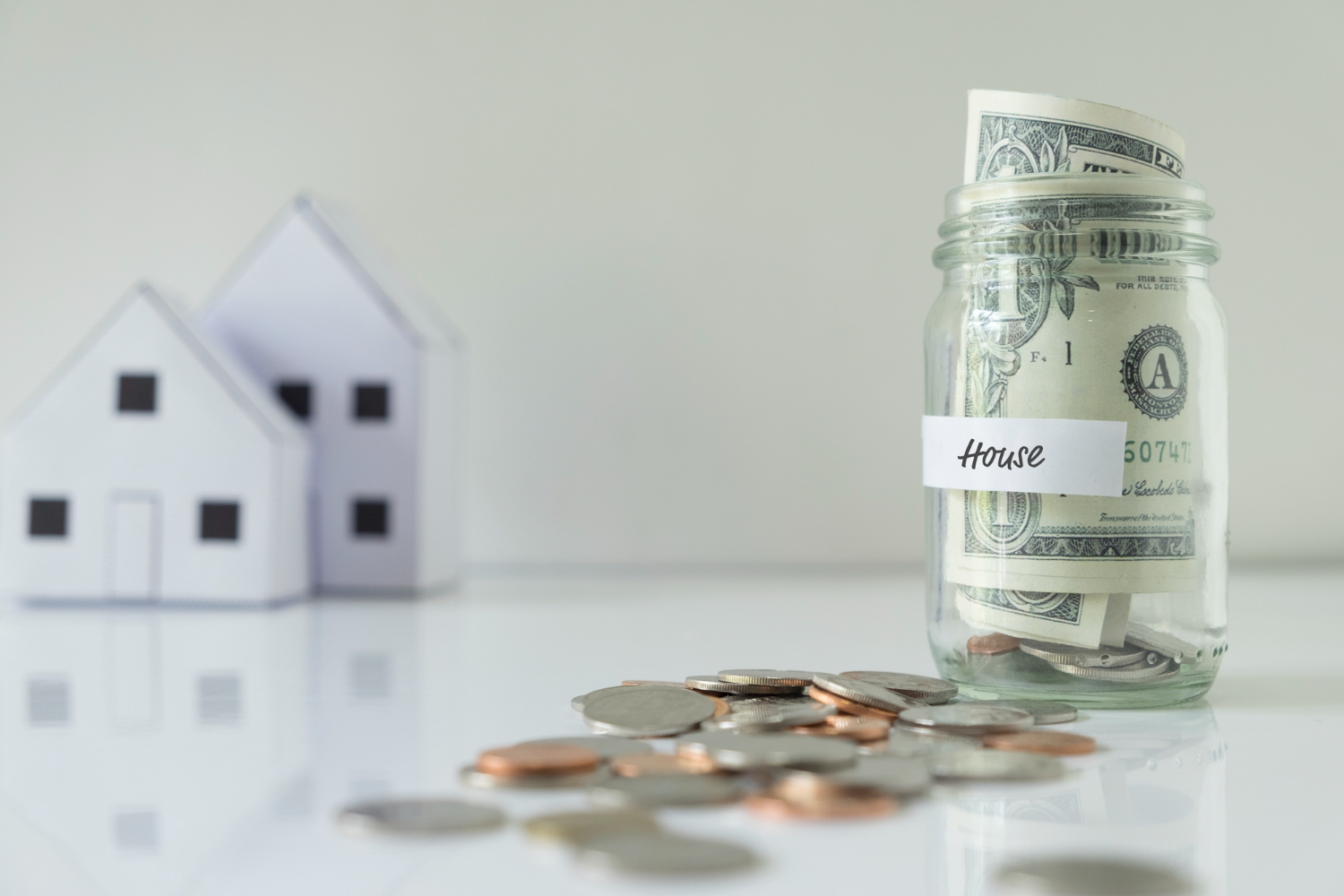


Deciding whether to buy or rent a home in 2026 is one of the biggest financial choices many Americans face. With 30-year fixed mortgage rates starting the year around 6.15-6.2%, modest home price growth forecasted at 1-4% nationally, and rents expected to rise 0.3-3% depending on property type, the housing market is stabilizing after years of volatility. This rent vs. buy analysis breaks down the latest pros, cons, and trends to help you decide.
Buying a Home in 2026: Pros and Cons
Pros of Buying:
- Build Equity and Wealth: Your mortgage payments go toward owning the property outright. With home values projected to rise modestly (Zillow: 1.2%, NAR: up to 4%), you’ll benefit from appreciation and principal paydown.
- Payment Stability: A fixed-rate mortgage locks in your principal and interest—protecting you from rising rents, which could increase 2-3% by year-end (Redfin forecast).
- Tax Advantages: Mortgage interest and property taxes remain deductible if you itemize, plus potential capital gains exclusions on sale.
- Customization Freedom: Make improvements that boost value, unlike rental restrictions.
Cons of Buying:
- High Upfront Costs: Expect a 3-20% down payment plus closing costs—often tens of thousands.
- Ongoing Responsibilities: You’re on the hook for maintenance, repairs, taxes, and insurance, which can be unpredictable and add 1-2% of home value annually.
- Less Flexibility: Selling takes time and fees; in a balanced market, it could take months.
- Monthly Costs May Exceed Rent Initially: In many metros, buying a starter home remains pricier short-term due to rates above 6%.
Renting a Home in 2026: Pros and Cons
Pros of Renting:
- Low Entry Barriers: Typically just a security deposit (1-2 months’ rent) and no large down payment.
- Landlord Handles Maintenance: Major repairs and upkeep are covered (per lease terms).
- Maximum Flexibility: Easier to move for jobs or lifestyle changes—ideal if staying less than 5-7 years.
- Potential Short-Term Savings: Renting is cheaper monthly in 49 of 50 major metros (recent studies), with multifamily rents growing slowly (Zillow: 0.3%).
Cons of Renting:
- No Equity Building: Payments benefit the landlord; you own nothing at lease end.
- Rising Costs: Rents could rebound (single-family up 2.3%, overall 2-3%), eroding predictability.
- Limited Tax Benefits: Rent isn’t deductible, unlike mortgage interest.
- Restrictions: Rules on pets, modifications, or decor; potential eviction risks.
Key 2026 Housing Market Trends Impacting Rent vs. Buy
- Mortgage Rates: Starting at ~6.15% (Freddie Mac, Dec 2025), forecasts suggest averages of 6.0-6.4%—modest relief but no drop below 6%.
- Home Prices: Slow growth (1-2% nationally per Zillow/Redfin) improves affordability slightly as wages rise faster.
- Rent Trends: Multifamily rents nearly flat; single-family higher due to demand.
- Break-Even Point: In today’s market, buying often takes 7-9 years to outperform renting financially (factoring appreciation, investment returns on savings).
- Regional Variations: Northeast/Midwest favor buying (steady prices); Sun Belt may see cooling.
Rent vs. Buy Calculator Recommendation
Use free tools like NYT’s Rent vs. Buy Calculator, NerdWallet, or Zillow’s to input your specifics (local prices, rates, timeline). Generally:
- Rent if: Short stay (<5 years), building savings, or in high-cost areas.
- Buy if: Long-term (7+ years), prioritizing stability/wealth-building.
Your decision hinges on lifestyle, finances, and location. If planning a move soon, renting offers freedom. For long-term roots, buying in 2026 could lock in stability amid modest improvements. Consult a financial advisor and run local numbers—tools show buying builds wealth faster over time in most scenarios. Whichever path, 2026 looks more balanced than recent years.