

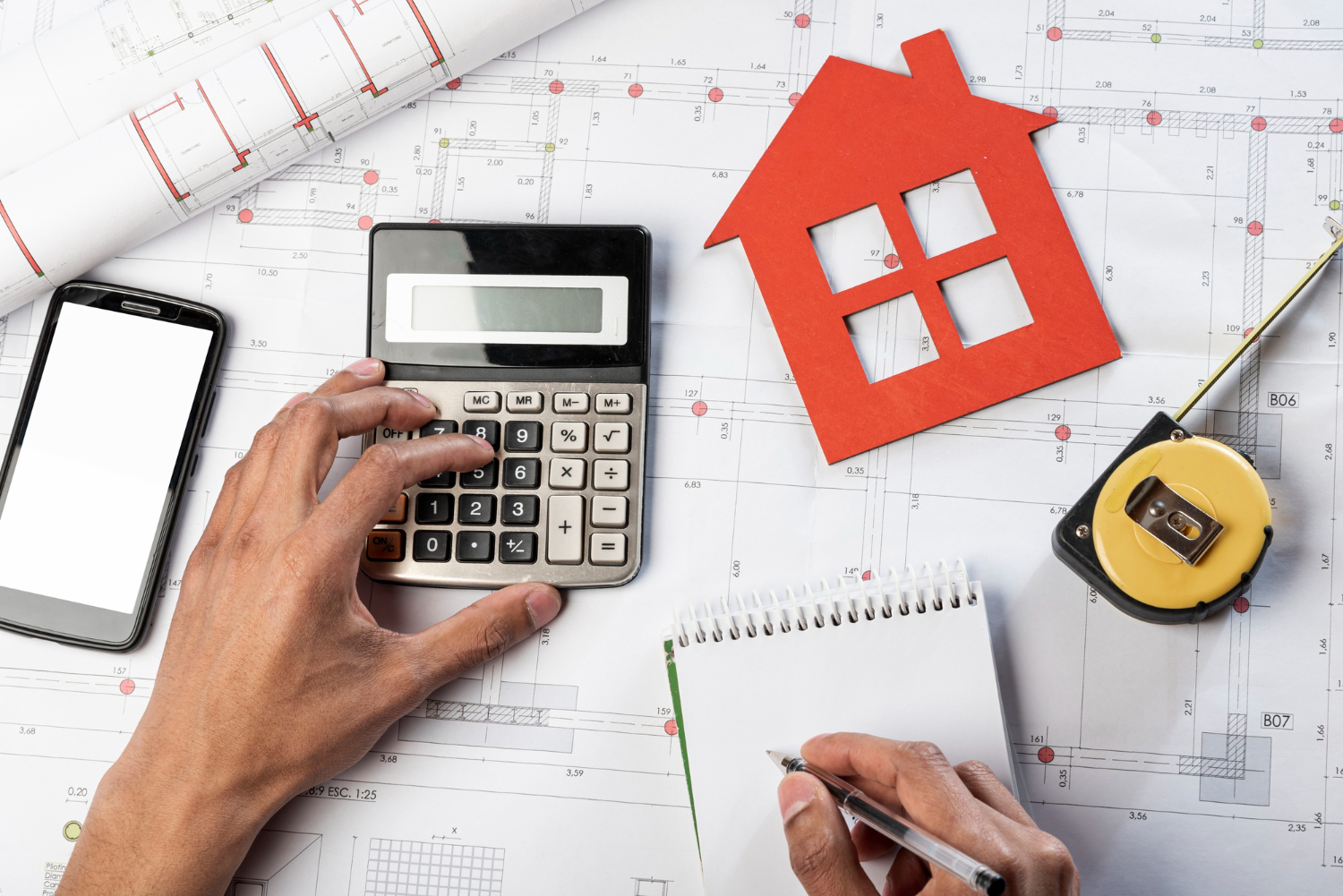
Stepping into homeownership for the first time is thrilling, but the total cost goes well beyond the sticker price on your dream house. In 2026, with mortgage rates trending downward (potentially dipping into the high-5% range by year-end), improving inventory, and moderate home price growth, affordability is slowly getting better—yet many hidden or upfront expenses can still add up quickly. Smart planning and saving ahead of time remain key to avoiding surprises and building long-term financial stability.
Here are the five major categories of expenses first-time buyers should prioritize saving for this year.
1. Down Payment
The down payment remains the single biggest hurdle for most first-time buyers. While the classic 20% goal avoids private mortgage insurance (PMI), real-world data shows first-time buyers typically put down much less.
In recent reports, the median down payment for first-time buyers hovers around 9-10% of the purchase price (with some sources citing 8-13% averages). For a median-priced home around $400,000–$415,000, that translates to roughly $35,000–$42,000 in cash needed upfront.
Conventional loans often start at 3-5%, while government-backed programs make entry easier: FHA loans require as little as 3.5%, USDA loans offer 0% down in eligible rural/suburban areas, and VA loans provide 0% down for qualified military members. If you’re short on savings, these options—combined with potential down payment assistance programs—can help you get started sooner while you build equity.
2. Closing Costs
These are the various fees required to finalize your mortgage and transfer ownership. They typically range from 2% to 6% of the loan amount (or home price), depending on your location, lender, and loan type.
National averages for buyer closing costs fall between $5,000 and $15,000 (with some estimates as low as $4,600 or up to $18,000–$21,000 for higher-priced homes). Common items include appraisal fees (~$500–$1,000), title insurance, lender origination fees, attorney costs (in some states), and prepaid items like property taxes and homeowners insurance.
Shop lenders carefully, negotiate seller concessions (especially in softening markets), and review your Loan Estimate early. In 2026, with more inventory and buyer-friendly conditions in many areas, you may have stronger leverage to get sellers to cover a portion.
3. Home Repairs and Maintenance
Homeownership flips the script: no more landlord for fixes! Budgeting for ongoing upkeep is essential, as many new owners face unexpected costs in the first year.
Experts generally recommend setting aside 1% to 4% of your home’s value annually for maintenance and repairs (with 1-2% being a common realistic target for most homes). For a $400,000 home, that’s $4,000–$16,000 per year—covering everything from routine tasks (HVAC tune-ups, gutter cleaning) to big-ticket surprises (roof leaks, appliance failures).
Newer homes may need less initially (closer to 0.5-1%), while older ones or those in harsh climates can demand more. Start an emergency fund covering at least 3-6 months of expenses to handle these without derailing your budget.
4. Furnishing and Setting Up Your Home
Moving from a small apartment or rental to a full house often means filling empty rooms. If appliances aren’t included or are outdated, this expense can grow fast.
The average cost to fully furnish a typical home ranges from $10,000 to $40,000 (with many sources citing $16,000 as a midpoint for moderate-quality pieces). A 3-bedroom house might land in the $10,000–$30,000 range, depending on style and whether you’re starting from scratch.
Break it into phases: prioritize essentials (bed, sofa, kitchen basics) first, then add over time. Hunt sales, consider gently used items, or shop secondhand to keep costs down and make the process more enjoyable.
5. Homeowners Association (HOA) Fees (If Applicable)
About a third of U.S. homes are in HOA-governed communities, especially in newer developments. These monthly dues cover shared amenities, landscaping, and reserves.
National averages sit around $200–$400 per month (roughly $2,400–$4,800 annually), though they can climb higher in amenity-heavy areas (up to $500+ in some states like Missouri or Arizona). Special assessments for major projects (e.g., new roofs or pools) can add thousands more occasionally.
Always request and review the HOA’s financials, rules, and recent meeting minutes during your home search—it’s required disclosure and helps avoid surprises.
The bottom line in 2026: Homeownership is becoming slightly more accessible with easing rates and rising inventory, but preparation is still everything. By saving aggressively for these key expenses, you’ll enter your new home with confidence, a safety net, and the freedom to enjoy it rather than stress over bills. Work with a trusted lender or financial advisor early, explore first-time buyer programs, and start building those funds now—your future self (and your new home) will thank you!