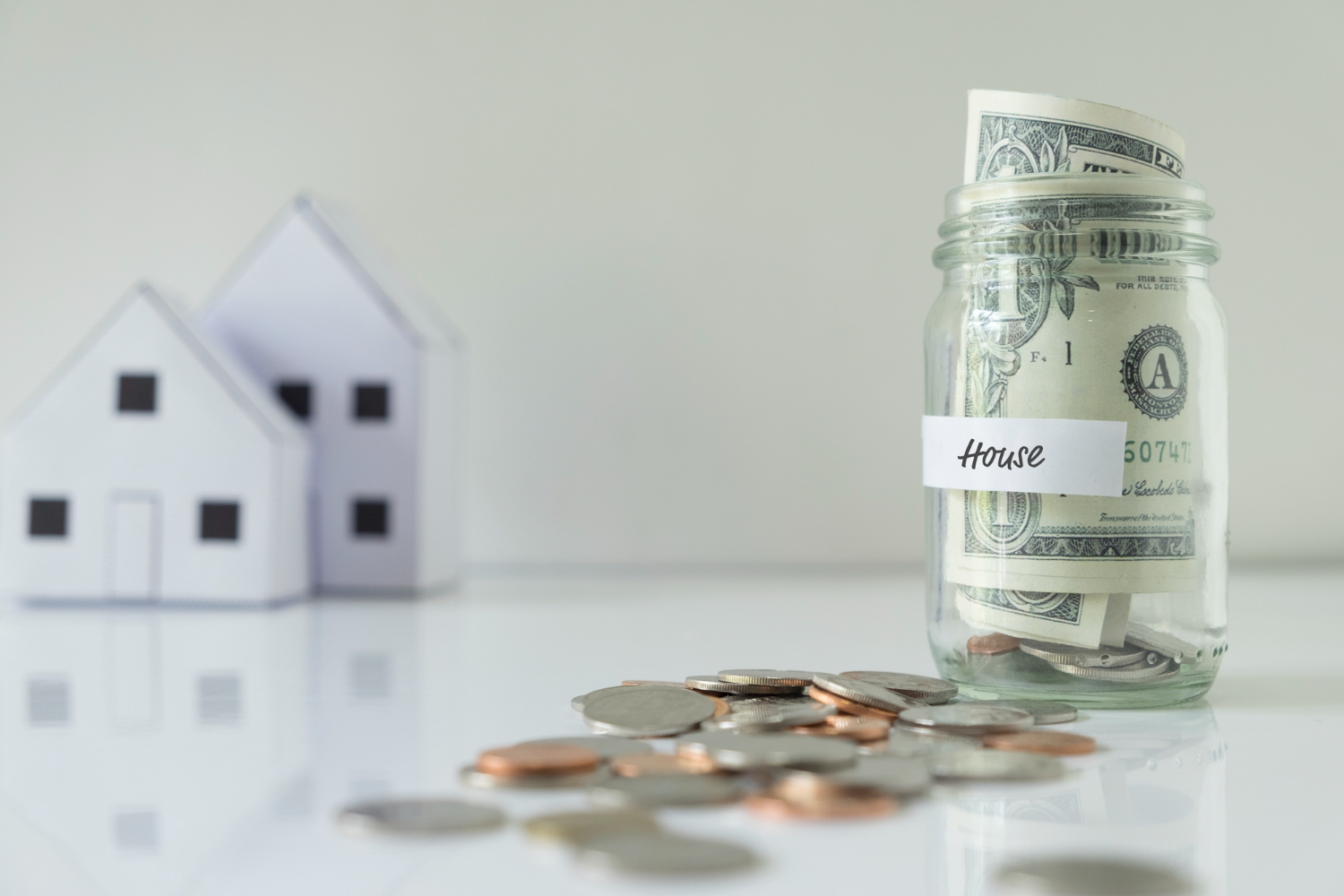


As we kick off 2026, aspiring first-time home buyers are facing a more balanced market with mortgage rates expected to hover in the low- to mid-6% range (around 6.0-6.3% on average for 30-year fixed loans, according to forecasts from Fannie Mae, Realtor.com, and others). Home prices remain elevated, but with slightly improving affordability and more inventory on the horizon, now’s an ideal time to ramp up your savings game. First-time buyers typically put down a median of 9% (based on recent NAR data), which on a $400,000–$410,000 median home price means aiming for $36,000–$37,000 or more—though low-down-payment options like FHA (3.5%), conventional (3%), VA (0%), or USDA (0%) can reduce that target significantly.
Here are five practical, actionable strategies to help you build your down payment faster and position yourself for success in 2026.
1. Master Your Budget and Track Every Dollar
You can’t accelerate savings without knowing exactly where your money goes. Start by creating a detailed budget using the popular 50/30/20 rule (50% on needs like housing and bills, 30% on wants, 20% on savings/debt payoff). Track spending for 1-3 months using apps like Mint, YNAB, or simple spreadsheets to identify leaks.
Focus on essentials (rent, utilities, groceries) versus discretionary items (dining out, subscriptions). This clarity often reveals hundreds of dollars monthly that can be redirected to savings—many find they can boost their down payment contributions by 20-30% just by getting organized.
2. Automate Savings with the “Pay Yourself First” Approach
Treat your down payment like a non-negotiable bill. Set up automatic transfers from your checking account to a dedicated high-yield savings account (many offering 4-5% APY in 2026) right after payday—ideally 1-2 days after direct deposit hits.
Aim for a specific monthly goal (e.g., 15-20% of take-home pay). This “pay yourself first” method ensures savings happen before lifestyle creep or impulse spending. Over time, it builds momentum—consistent savers often reach their target months or years ahead of schedule.
3. Ruthlessly Cut Discretionary and Lifestyle Expenses
Once your budget is in place, target areas for cuts that won’t drastically impact quality of life. Common wins include:
- Reducing coffee runs, takeout, or entertainment (e.g., limit to once a week and save the difference).
- Canceling unused subscriptions or downgrading streaming plans.
- Shopping smarter for groceries (meal prep, generics, sales).
- Delaying big-ticket “wants” like vacations, gadgets, or new cars.
Redirect every saved dollar straight to your down payment fund. Small daily changes add up—cutting $200/month in extras could mean an extra $2,400+ annually toward your goal.
4. Boost Your Primary Income Strategically
If you’re established in your role, negotiate a raise—many workers secure 5-10% increases through strong performance reviews or job switches. When the extra pay hits, resist the urge to inflate your lifestyle; instead, funnel the increase directly into savings.
Explore internal promotions or higher-paying opportunities in your field. Even a modest bump can shave months off your timeline. In 2026’s job market, with steady growth projected, proactive career moves remain one of the fastest ways to accelerate savings.
5. Launch a Side Hustle for Extra Earnings Power
For maximum impact, add income streams beyond your main job. Flexible gigs like driving for Uber/Lyft, delivering via DoorDash/Instacart, freelancing (writing, graphic design), or selling unused items on eBay/Facebook Marketplace can generate $500–$2,000+ monthly with minimal upfront effort.
Other ideas: pet sitting, tutoring, or renting out space/gear. The key is consistency—treat side income as “down payment fuel” and automate transfers to your savings account. Many first-time buyers credit side hustles for helping them close the gap in high-cost areas.
Final Thoughts for 2026 Saving for a home demands discipline, but with mortgage rates stabilizing and more buyer-friendly conditions emerging, your efforts will pay off. Explore down payment assistance programs (grants, forgivable loans) from state/local governments or first-time buyer initiatives—they can supplement your savings significantly. Stay motivated: the day you walk into your own home makes every cutback and extra shift worthwhile. Start small today, track progress monthly, and consult a financial advisor or lender early to refine your plan. Your key to homeownership is closer than you think!