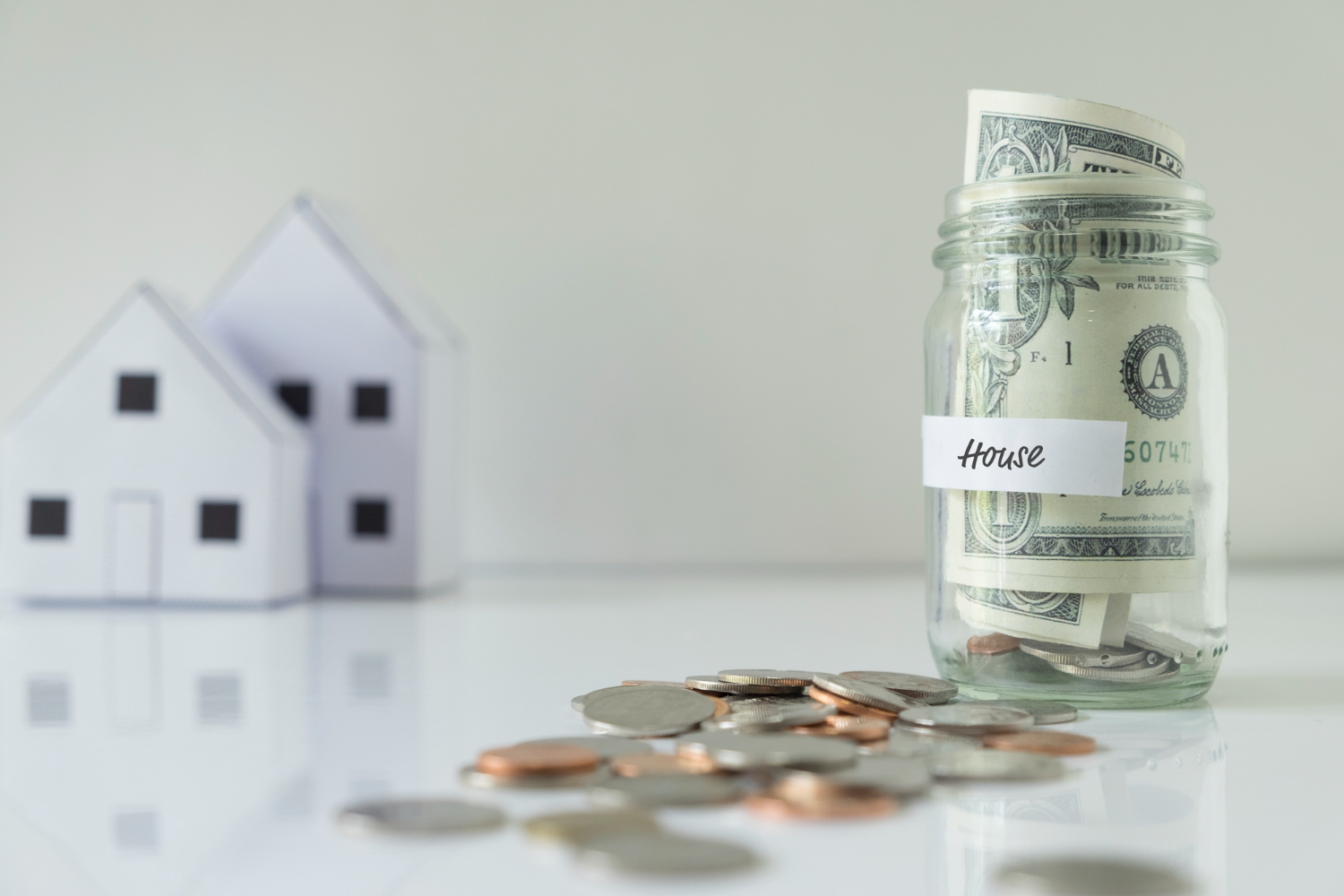


When you receive your Closing Disclosure (CD) at least three business days before closing, you’re in the final stretch of buying your home. This important document outlines every cost, credit, and payment involved in the transaction, including the all-important cash to close figure—the total amount you’ll need to bring to the closing table to complete the purchase.
Here’s a clear breakdown of what cash to close includes, how it’s calculated, and what you need to know to arrive prepared.
What Is “Cash to Close”?
Cash to close is the net amount you must pay at closing after accounting for:
- Your down payment
- Closing costs
- Prepaid items (like property taxes and homeowners insurance)
- Minus any credits (such as your earnest money deposit, seller concessions, or lender credits)
The number appears prominently on page 3 of your Closing Disclosure in the “Calculating Cash to Close” section. It tells you exactly how much money you need to deliver to finalize the sale.
Key Components of Cash to Close
- Down Payment The largest portion for most buyers.
- Conventional loans: typically 3–20% of the purchase price
- FHA: as low as 3.5%
- VA/USDA: often 0% Discuss the exact amount with your lender early—your loan program and credit profile determine the requirement.
- Closing Costs These are the fees required to process and legally transfer the home. They usually range from 2% to 5% of the loan amount. Common items include:
- Appraisal fee (typically $500–$1,000, paid by buyer)
- Title insurance (lender’s and owner’s policies)
- Origination fee (lender’s underwriting and processing charge)
- Attorney or settlement fees
- Credit report fee
- Recording fees
- Survey fee (if required)
- Pest inspection (often required in certain regions)
- Mortgage insurance premiums (if your down payment is less than 20%)
- Funding fees (for FHA, VA, or USDA loans)
- Prepaid Items You often pay certain expenses in advance at closing:
- Homeowners insurance premium (usually for the first year)
- Property taxes (prorated or prepaid for a few months)
- Prepaid interest (from closing date to your first mortgage payment)
- Credits That Reduce Your Cash Needed
- Earnest money deposit (EMD) — your initial good-faith deposit (often 1–2% of purchase price) is credited toward cash to close
- Seller concessions — if the seller agreed to pay a portion of your closing costs
- Lender credits — sometimes offered in exchange for a slightly higher interest rate
How Payment Works at Closing
You won’t bring a suitcase of cash. Lenders require secure, traceable payment methods. Common options include:
- Cashier’s check — the most widely accepted method Obtain it from your bank the day before or morning of closing. You’ll need the exact amount and the correct payee (usually the title company or closing agent).
- Certified check — similar to a cashier’s check, also acceptable in most cases
- Wire transfer — allowed by many title companies, but verify instructions directly with your closing agent. Start the process 1–2 days early to avoid delays. Always double-check wiring details to prevent fraud.
Not accepted: personal checks, cash, credit cards, or debit cards (due to amount limits and traceability concerns).
Tips to Prepare for Cash to Close
- Review your Closing Disclosure carefully as soon as you receive it. Compare it to your Loan Estimate—costs should not change significantly (within certain tolerances).
- Confirm the exact amount and payment instructions with your title company or closing agent at least 2–3 days before closing.
- Have extra funds available for unexpected last-minute adjustments (e.g., prorated taxes or HOA fees).
- Keep your finances stable—no new debt, large purchases, or job changes after preapproval.
- Ask about rolling certain fees (like origination or prepaid interest) into the loan if you’re short on cash—though this increases your loan balance and monthly payment.